
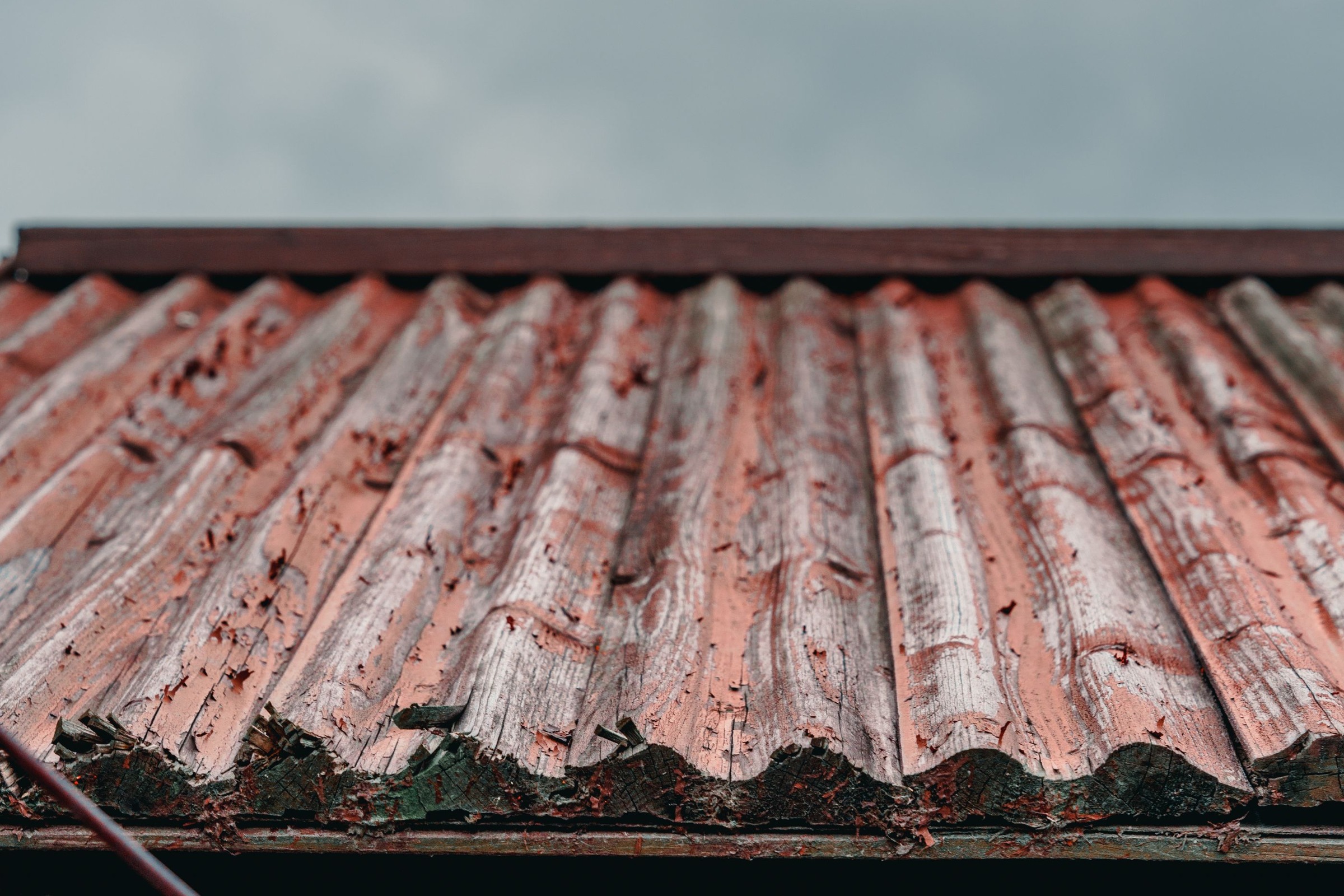
Do metal roofs rust? A modern steel roof is built not to, at least under normal conditions. The steel leaves the mill with a metallic coating, usually zinc or an aluminum and zinc alloy, and a baked-on paint finish goes over that. Water and oxygen can’t reach the steel through those layers. Rust shows up when the protection gets scratched, wears thin, or ends up touching a metal it reacts with. Installed carefully and checked now and then, a residential metal roof rarely gives anyone rust trouble.
We install and repair metal roofs on houses across Scarborough and the GTA. Here’s what’s actually protecting the steel, where rust likes to sneak in, and what our crews do about it.
Spotted rust on your metal roof? Request a free estimate and we will take a look. Call (416) 860-5976 or request a free estimate online.
Galvanized steel wears a layer of zinc. Zinc corrodes slowly, and it does something clever: at a small scratch it corrodes first, sacrificing itself so the steel next to it stays intact. The other common coating is an aluminum and zinc alloy, often sold as Galvalume, which mixes aluminum’s barrier with zinc’s sacrificial habit. ArcelorMittal, one of the producers, says this coating is designed for long corrosion resistance in roofing, and that bare cut edges may show light rust early on that’s expected to stop as the coating protects them (ArcelorMittal Galvalume brochure).
Over that metallic layer, most residential metal roofing gets a factory paint finish. That’s your charcoal or your forest green. It’s also one more barrier against rain and sun.
Rust is iron oxide. No iron, no rust. Aluminum grows a thin oxide skin that protects it, and copper slowly goes that green you see on old church roofs. Neither one turns orange.
Every panel gets cut to length, at the factory or on a sawhorse in your driveway, and every cut leaves a hairline of exposed steel. Boots, dropped tools and wind-blown branches can scratch through too. On coated steel those spots usually show light surface marks at worst. A gouge that goes through both the paint and the metallic coating is different, and we touch those up.
On exposed-fastener panels the screws are the weak point. Wrong fastener, a scratched head, a rubber washer that has dried out and cracked after a few summers, and water finds the hole. Rust can start right there in a little ring.
Some metals react when they touch, and one of them corrodes faster. Copper or lead pressed against coated steel will do it. So will rain running off a copper chimney cap onto steel panels below. That’s why we match flashing and fasteners to the roof.
Pine needles packed into a valley, a mat of maple leaves behind a chimney, dirt piled where the roof meets a wall. Each one holds water against the metal for days. Clearing those spots matters more than most people expect.
Some coatings don’t like long contact with wet concrete or mortar. Where a metal roof meets a brick chimney or a masonry wall, the detail needs care.
On very old roofs, especially the galvanized barn-style ones you still see in parts of Durham, the coating simply wears off after decades. Then the rust is everywhere.
We start with coated steel that has a factory finish meant for roofing. Panels get cut with tools that won’t burn the coating, and somebody sweeps up the metal shavings afterward, because those tiny filings rust within weeks and leave orange freckles on a new finish. The fasteners and washers are made for metal roofing. Incompatible metals stay apart. Valleys and flashing are laid out so water and debris run off instead of sitting. Before the crew leaves, someone walks the roof with a touch-up pen for any scratches.
Our metal roofing and steel roof pages describe the systems we install, and our standing seam post explains a profile with hidden fasteners.
Light surface rust on an older roof can usually be cleaned, treated and recoated. Rust in a ring around a screw often just means a new fastener and washer. Rust that has spread widely, or eaten right through a panel, means that panel gets replaced, and once in a while the whole roof. Earlier is cheaper and leaves more options. And sometimes the orange stain turns out to be pine pollen or debris, which is a good reason to have someone look before worrying.
Once a year, and after a bad storm, it’s worth having the roof checked. Valleys, the area around the chimney and the eavestroughs collect the most junk. Overhanging branches scrape the finish when the wind picks up, so trimming them back helps. Walking on the roof scratches and dents panels, and a pressure washer or abrasive cleaner can strip the paint.
Our metal shingles and sloped metal roof replacement pages have more on metal options.
Houses along the Scarborough Bluffs, in Guildwood and in Cliffside sit close to Lake Ontario. Lots of others are a block off Kingston Road or Lawrence, where the plows lay down salt all winter. Moisture and salt spray speed up wear on any exposed metal, whether that’s roof panels, flashing or the eavestroughs. That doesn’t rule out a metal roof near the water. It just means a good paint finish, careful handling of cut edges, sealed fasteners and a yearly look count for more. A gentle rinse with the garden hose in April washes off a winter’s worth of salt and grime. If you’re near the lake, ask us which products and finishes we’d use on your street.
For most houses, no. Coated steel that’s installed with care and looked at regularly holds up well in Toronto weather. The rusted-out horror stories usually trace back to old, uncoated or badly installed roofs. And if rust still worries you, aluminum and copper don’t rust at all.
The team at Trusted Roofers Toronto wrote this. We’ve been installing and repairing metal, asphalt shingle, slate, cedar, copper, tile and flat roofs across Scarborough, Toronto and the GTA for about 20 years. More about our company.
A properly coated and installed steel roof should not rust under normal conditions for many years. Rust usually starts only where the coating is damaged or worn.
Aluminum does not form red rust. It forms a thin protective oxide layer instead.
Light marks at cut edges are common on coated steel and are usually cosmetic. Rust spreading away from the edge should be checked.
Often. Surface rust can be cleaned and coated, and rusted fasteners or panels can be replaced.
Salt and moisture speed up corrosion. Homes near the lake or busy roads benefit from regular rinsing and checks.
We install and repair metal roofs across Scarborough, including Agincourt, Malvern, Guildwood, Birch Cliff, Cliffside, West Hill and Wexford, as well as East York and Pickering. Our office is at 716 Garyray Drive in North York. Call us or request a free estimate. You can also see our Scarborough roofing page.
Trusted Roofers Toronto
716 Garyray Drive, North York ON M9L 1R3
Phone: (416) 860-5976
Hours